

In the ever-evolving landscape of digital culture, few movements have captured the imagination of creators and audiences alike as profoundly as the pixel art renaissance . Once relegated to the nostalgic corners of retro gaming and early computer graphics, pixel art has undergone a stunning transformation in recent years. By 2025, this seemingly simple medium is set to explode into mainstream popularity, driven by advancements in technology, shifts in artistic expression, and a growing appreciation for its unique aesthetic. This article dives deep into why pixel art is experiencing its golden age and how it’s influencing everything from gaming and design to education and fine art.
From indie game developers crafting visually stunning masterpieces to AI tools democratizing access to pixel art creation, the pixel art renaissance is more than just a trend—it’s a cultural phenomenon. Join us as we explore the factors fueling this resurgence, uncover its impact on modern creativity, and answer burning questions about its future trajectory. Whether you’re an artist, gamer, or simply curious about digital culture, this guide will leave you informed and inspired.
The Roots of Pixel Art: A Journey Through Time
From Pixels to Popularity: A Brief History
Pixel art traces its origins back to the early days of computing when hardware limitations forced designers to work within strict constraints. The first pixelated images emerged in the 1970s with arcade games like Pong and Space Invaders , where every square block on the screen was meticulously placed to create recognizable shapes. These primitive visuals laid the foundation for what would later become an iconic style.
By the 1980s and 1990s, pixel art became synonymous with video games. Titles such as Super Mario Bros. , The Legend of Zelda , and Final Fantasy showcased the potential of pixel art to convey emotion, narrative, and world-building despite limited graphical capabilities. Artists working during this era had to innovate within tight memory budgets, often using clever techniques like palette swapping and dithering to maximize their creative output.
However, as technology advanced, the rise of 3D graphics and high-definition rendering pushed pixel art to the sidelines. Many assumed it would remain a relic of the past—a charming but obsolete form of expression. Yet, far from fading away, pixel art found new life in unexpected places.
Why Did Pixel Art Survive?
Several factors contributed to the survival and eventual resurgence of pixel art. First, its nostalgic appeal resonated deeply with millennials and Gen Z, who grew up playing classic video games. Second, independent developers embraced pixel art due to its cost-effectiveness and accessibility. Creating detailed 3D models requires significant resources, but pixel art can be crafted using affordable software or even free tools like Aseprite and Piskel.
Moreover, pixel art offers a distinct visual identity that stands out in today’s oversaturated digital environment. While photorealistic graphics dominate AAA gaming, pixel art provides a refreshing contrast—its simplicity invites viewers to engage with the art on a more imaginative level. This blend of nostalgia, affordability, and uniqueness set the stage for the pixel art renaissance we see unfolding today.
The Drivers Behind the Pixel Art Renaissance in 2025

Technological Advancements Fueling Innovation
One of the most significant catalysts for the pixel art renaissance is technological innovation. Modern tools and platforms have made creating pixel art easier and more accessible than ever before. Software applications like Procreate, Photoshop, and specialized programs like Pyxel Edit allow artists to experiment with textures, animations, and layering techniques that were unimaginable in the early days of pixel art.
Additionally, artificial intelligence (AI) has entered the scene, offering both opportunities and challenges. AI-powered tools like DeepArt and Runway ML enable users to generate pixel art automatically or enhance existing designs. While some purists argue that AI dilutes the authenticity of pixel art, others view it as a way to expand the medium’s reach and inspire new forms of collaboration between humans and machines.
Another key driver is blockchain technology and non-fungible tokens (NFTs). Pixel art has become a staple in the NFT marketplace, with pieces fetching astronomical prices at auctions. For instance, the famous “CryptoPunks” collection—a series of 24×24 pixel portraits—has generated millions of dollars in sales, cementing pixel art’s status as a legitimate investment asset.
Social Media Amplification
Social media platforms like Instagram, TikTok, and Pinterest have played a pivotal role in popularizing pixel art. Creators share their work with global audiences, sparking trends and inspiring newcomers to try their hand at the craft. Hashtags like #PixelArtChallenge and #RetroRevival have gone viral, drawing attention to the vibrant community surrounding pixel art.
Platforms like itch.io and Game Jams also contribute to the movement by providing spaces for indie developers and artists to showcase their projects. According to a report by Newzoo, indie games accounted for 30% of all game releases in 2023, with many featuring pixel art aesthetics. This surge in demand has created a thriving ecosystem where pixel art thrives.
Cultural Shifts Toward Minimalism
Minimalist design principles have gained traction across industries, from fashion to architecture. In this context, pixel art aligns perfectly with contemporary tastes. Its clean lines, bold colors, and deliberate use of negative space evoke a sense of elegance and intentionality that appeals to modern sensibilities.
Furthermore, the sustainability movement has influenced the rise of pixel art. Unlike resource-intensive 3D modeling, pixel art consumes minimal energy and computational power. As climate concerns grow, environmentally conscious creators are turning to pixel art as a sustainable alternative.
Pixel Art in Gaming: A Match Made in Heaven

Reviving Retro Aesthetics
The gaming industry has been instrumental in driving the pixel art renaissance. Indie developers, in particular, have embraced pixel art as a nod to the classics while pushing the boundaries of storytelling and gameplay. Games like Celeste , Hollow Knight , and Undertale demonstrate how pixel art can elevate emotional depth and immersive experiences.
According to SteamSpy, over 60% of top-selling indie games in 2023 featured pixel art graphics. Players appreciate the balance between nostalgia and innovation these titles offer. Developers benefit too, as pixel art reduces production costs without compromising quality.
Expanding Beyond Traditional Genres
While pixel art is often associated with platformers and RPGs, its versatility allows it to transcend genre limitations. Puzzle games, strategy titles, and even horror games have adopted pixel art successfully. For example, Darkwood , a survival horror game, uses pixel art to create an unsettling atmosphere that rivals photorealistic graphics.
This adaptability ensures that pixel art remains relevant across diverse gaming demographics. It also opens doors for experimental projects that blend traditional techniques with cutting-edge mechanics, further solidifying its place in the gaming landscape.
Education and Community Building Through Pixel Art
Teaching Digital Literacy
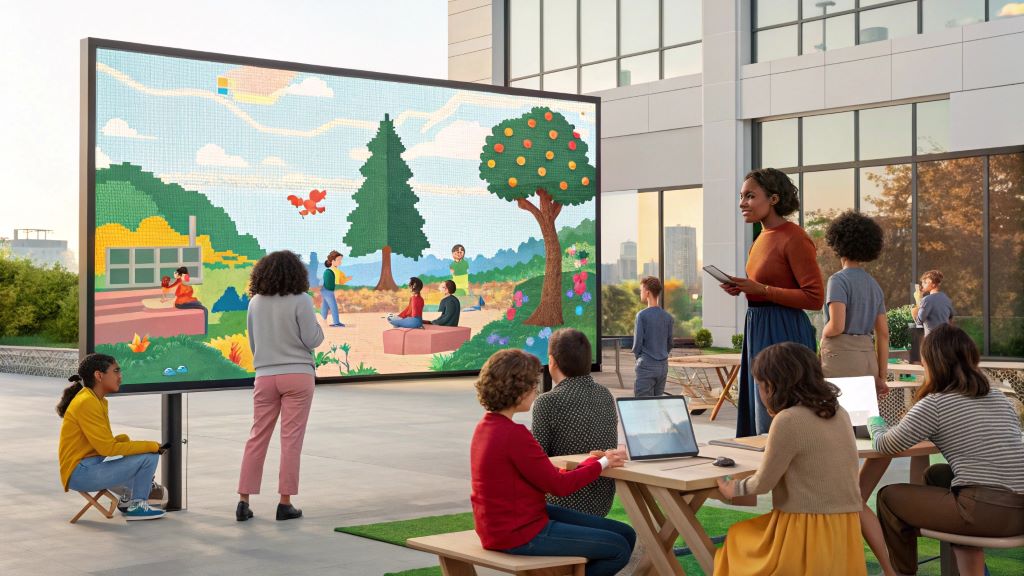
Educators are increasingly incorporating pixel art into curricula to teach coding, design, and problem-solving skills. Platforms like Scratch and Tynker encourage students to create interactive stories and games using pixel art elements. By engaging with pixel art, young learners develop spatial reasoning and critical thinking abilities essential for STEM fields.
Fostering Creative Communities
Online forums, Discord servers, and Reddit communities dedicated to pixel art provide safe spaces for artists to connect, collaborate, and critique each other’s work. Events like Global Game Jam and Pixel Dailies challenge participants to produce content under tight deadlines, fostering camaraderie and skill development.
These initiatives not only nurture individual talent but also strengthen the broader creative ecosystem. They ensure that the pixel art renaissance continues to thrive through collective effort and shared passion.
The Future is Now: Exploring Autonomous Drone Delivery Networks
FAQs About the Pixel Art Renaissance
Is Pixel Art Still Relevant in 2025?
Absolutely! Pixel art remains highly relevant thanks to its timeless appeal, technological advancements, and widespread adoption across industries.
Can Anyone Learn Pixel Art?
Yes! With numerous tutorials and user-friendly tools available online, anyone can learn pixel art regardless of prior experience.
What Are Some Popular Tools for Creating Pixel Art?
Aseprite, Piskel, and Photoshop are among the most popular choices for beginners and professionals alike.
How Much Can Pixel Artists Earn?
Earnings vary widely depending on expertise and market demand. Freelancers may charge anywhere from $20 to $100 per hour, while successful NFT creators can earn six figures annually.
Conclusion: Embracing the Pixel Art Renaissance
The pixel art renaissance isn’t just a fleeting trend; it’s a testament to the enduring power of creativity and innovation. As we look ahead to 2025, one thing is clear: pixel art will continue to shape digital culture in profound ways. Whether you’re an aspiring artist, a seasoned developer, or simply someone who appreciates beauty in simplicity, now is the perfect time to join this vibrant movement.
Read More:
Spotting Deepfake Dangers for Children: A Comprehensive Guide to Online Safety