

We are living in the age of accelerated innovation, where yesterday’s science fiction is rapidly becoming today’s reality. From artificial intelligence transforming industries to quantum computing breaking traditional limits, the digital landscape is evolving at an unprecedented pace. But what’s next? To provide insight into what lies ahead, we’ve gathered expert predictions and analyzed key trends to bring you a comprehensive look into the next big shifts in global technology. Whether you’re an entrepreneur, investor, tech enthusiast, or business leader, understanding these shifts is essential for staying ahead in a competitive digital world.
-
AI Evolution: From Narrow to Generative Intelligence
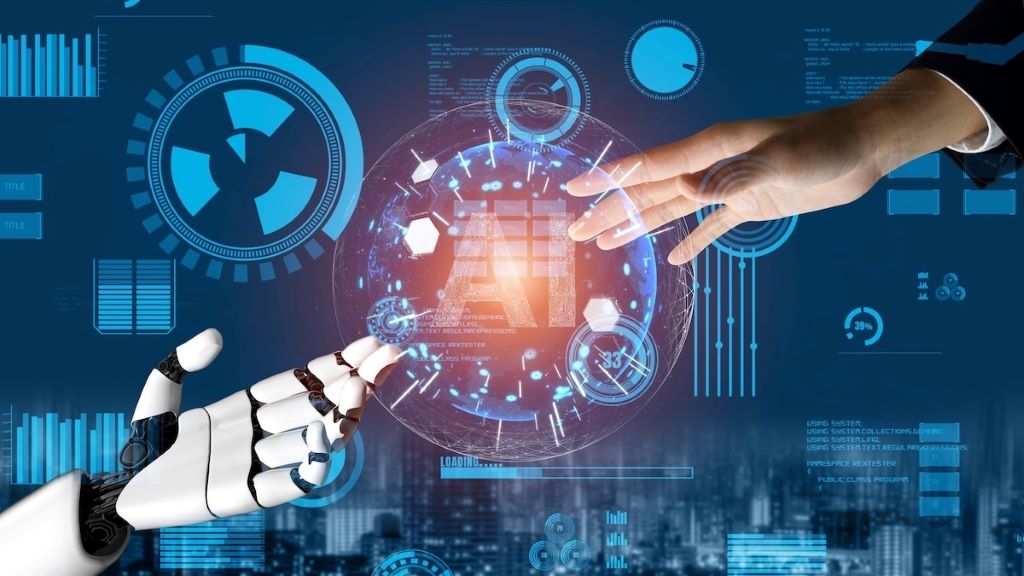
AI is no longer just about automation. The shift from narrow AI to generative and general AI is poised to redefine how humans interact with machines.
Key Trends:
- Generative AI (like ChatGPT, Sora, and DALL·E) is moving beyond text and image creation into code generation, video production, and even scientific discovery.
- AI copilots are becoming common in professional tools like Microsoft 365, Adobe, and Google Workspace, making workflows faster and smarter.
- The development of Artificial General Intelligence (AGI), while still distant, is gaining serious research investment.
Expert Insight:
“AI will transition from a tool to a collaborator. We’re teaching machines to understand context, emotion, and intent. That changes everything.” – Dr. Fei-Fei Li, Stanford University
-
Quantum Computing: Breaking the Barriers of Processing Power
While still in early stages, quantum computing is progressing toward real-world applications. This technology has the potential to revolutionize fields like cryptography, drug discovery, and supply chain optimization.
Key Predictions:
- By 2030, quantum computing could handle problems 10,000 times faster than today’s most powerful supercomputers.
- Major tech companies like IBM, Google, and Intel are investing billions to make quantum supremacy a reality.
Use Cases:
- Financial modeling for risk assessment
- Molecular simulation in pharmaceuticals
- Weather and climate modeling for disaster prediction
-
The Rise of Web3 and Decentralized Platforms
Web3 is shifting power from centralized tech giants to decentralized ecosystems. While still controversial, blockchain-based platforms offer transparency, ownership, and user-driven governance.
Innovations to Watch:
- Decentralized finance (DeFi) platforms disrupting traditional banking
- NFT 2.0 with utility-based tokens, not just digital art
- DAOs (Decentralized Autonomous Organizations) as governance structures
Expert Insight:
“Web3 will allow users to own their digital identity and data. That paradigm shift is just beginning.” – Vitalik Buterin, Ethereum Co-founder
-
Sustainable Tech and Green Innovation
As climate change remains a global concern, the demand for eco-friendly technologies is skyrocketing. From energy-efficient data centers to carbon-capturing materials, sustainable innovation is the new frontier.
Examples of Disruption:
- Smart grids and AI-based energy management for reducing electricity waste
- Electric vehicles (EVs) becoming mainstream, driven by improvements in battery tech
- Green software development focusing on energy-efficient algorithms
-
Extended Reality (XR): The Next Generation of Immersive Experiences
Virtual reality (VR), augmented reality (AR), and mixed reality (MR) are converging under the umbrella of extended reality (XR)—reshaping how we work, shop, and socialize.
Industry Impact:
- Retail: Virtual try-ons and digital showrooms
- Healthcare: Remote surgery and immersive diagnostics
- Education: Immersive classrooms and skill training
Future Outlook:
With Apple Vision Pro, Meta Quest, and Microsoft HoloLens advancing rapidly, XR is expected to become as ubiquitous as smartphones by 2030.
-
5G and Beyond: Hyper-Connectivity Redefined
The global rollout of 5G networks is enabling real-time data transfer, ultra-low latency, and enhanced IoT capabilities. Looking forward, 6G research is already underway, promising speeds up to 100x faster than 5G.
Key Developments:
- Smart cities powered by 5G-enabled IoT sensors
- Autonomous vehicles relying on real-time communication
- Remote surgery and robotics benefiting from ultra-low latency
Expert Insight:
“We’re moving toward an era where every device, appliance, and infrastructure component is connected and intelligent.” – Dr. Mischa Dohler, Professor at King’s College London
-
Cybersecurity in an AI-Powered World
As digital technologies evolve, so do threats. Cybersecurity is shifting from reactive defense to proactive prediction, using AI and machine learning to identify risks before they happen.
Trends to Monitor:
- Zero Trust Architecture (ZTA) gaining popularity across enterprise networks
- AI-driven threat detection for faster incident response
- Biometric security replacing passwords
-
Biotech and Human Enhancement Technologies
Advancements in biotechnology are no longer confined to labs. The intersection of tech and biology is leading to breakthroughs in personalized medicine, gene editing, and even human augmentation.
Future Possibilities:
- CRISPR-based therapies for rare genetic disorders
- Brain-computer interfaces (BCIs) for controlling devices with thought
- Wearable health sensors providing 24/7 diagnostics
-
The Edge Computing Explosion
As data creation surges, so does the need for real-time processing. Edge computing brings computation closer to the source—reducing latency, saving bandwidth, and improving performance.
Use Cases:
- Smart factories using AI at the edge for predictive maintenance
- Autonomous drones requiring low-latency data processing
- Smart homes with locally processed voice and image recognition
-
Digital Ethics and Tech Regulation
Technology isn’t just a technical issue—it’s a societal one. As innovations grow in power, ethical tech design, AI bias prevention, and regulatory compliance are becoming non-negotiable priorities.
Areas of Concern:
- Data privacy laws like GDPR and CCPA influencing global tech policy
- AI fairness and transparency to prevent biased outcomes
- Tech ethics boards within corporations
Conclusion: Prepare Now or Fall Behind
From AI collaboration to quantum breakthroughs, from green innovation to digital decentralization, the next wave of technology is reshaping our future faster than ever before. These shifts are not just for tech companies—they impact healthcare, education, finance, logistics, and every other industry.
If you’re a business leader, investor, creator, or student, now is the time to learn, adapt, and act. Waiting is not an option in a world where change is the only constant.
Read More: Jobs of the Future: What Will the Workforce Look Like in 10 Years?