

Chicago ranks among the busiest business travel hubs in the United States, with O’Hare International Airport handling more than 73 million passengers yearly. Frequent travelers often deal with endless digital interruptions while rushing through crowded terminals. Many executives now look for ways to stop smartwatch notification noise during packed travel schedules. Constant wrist buzzing creates stress, breaks focus, and drains device batteries faster than expected. Therefore, business travelers in Chicago, IL now follow smarter strategies to stay productive and calm while moving through airports.
Why Airport Wrist Buzzing Becomes a Serious Problem
Modern business travelers rely heavily on smartwatches for updates, meeting reminders, and travel alerts. However, airports create a perfect storm of nonstop notifications from airline apps, emails, rideshare updates, and messaging platforms. Chicago airports remain especially noisy and crowded during winter weather delays and conference seasons. As a result, travelers experience alert fatigue before even boarding their flights.
Many professionals now use smarter travel tools inspired by cool science gadgets that improve focus and reduce unnecessary distractions during airport navigation. These solutions help users separate urgent alerts from meaningless notifications. Consequently, travelers regain mental clarity while waiting at security checkpoints or crowded lounges. Small adjustments often create a surprisingly large impact during long travel days.
Constant smartwatch buzzing also affects personal interactions during business travel. Executives often meet clients, partners, or investors immediately after landing in Chicago. Frequent vibrations create visible distractions during conversations and presentations. Therefore, reducing notification overload improves professionalism and attention during critical meetings.
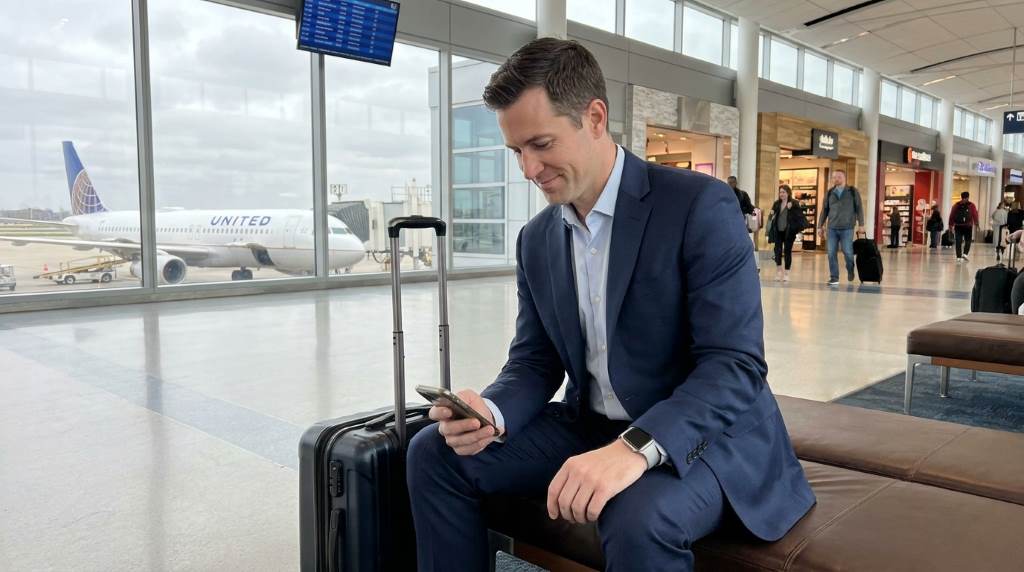
Chicago Airport Environments Increase Notification Stress
Chicago’s airport environment creates unique challenges compared to smaller regional airports. O’Hare International Airport spreads across multiple terminals with long walking distances and heavy foot traffic. Travelers receive repeated gate changes during snowstorms, thunderstorms, and seasonal congestion. Consequently, airline apps flood devices with updates throughout the day.
Midway International Airport also contributes to smartwatch overload because many travelers use low-cost airlines with frequent mobile alerts. Delayed baggage notifications, mobile boarding passes, and rideshare tracking create nonstop vibrations. Moreover, travelers often connect several productivity apps simultaneously during short business trips. This combination overwhelms users before they even leave the airport.
Chicago winters add another layer of frustration for wearable users. Thick coats and gloves make constant wrist checking uncomfortable in freezing temperatures. Additionally, battery performance drops faster in cold weather, forcing travelers to manage device power carefully. Therefore, reducing unnecessary smartwatch activity becomes both a convenience and a battery-saving strategy.
Smart Notification Management Helps Business Travelers Stay Focused
Experienced business travelers rarely disable all notifications completely. Instead, they prioritize alerts based on urgency and travel relevance. Most professionals allow only airline updates, calendar reminders, and emergency contacts during airport transit. This simple adjustment dramatically reduces wrist buzzing while preserving essential communication.
Many travelers also organize notifications using scheduled focus modes. Smartwatches now offer work, travel, sleep, and personal profiles that filter incoming alerts automatically. Furthermore, travelers can activate airport-specific settings before arriving at Chicago terminals. This preparation helps maintain focus during check-in and security screening.
Another effective method involves grouping notifications into summary batches. Instead of receiving every email instantly, users review grouped updates every thirty minutes. This approach minimizes constant interruptions without missing important information. As a result, business travelers feel more organized and less mentally exhausted during long airport layovers.
Best Notification Settings for Airport Travel
- Disable social media alerts before arriving at the airport.
- Keep airline and gate notifications active for real-time updates.
- Allow calls only from priority business contacts.
- Turn off unnecessary fitness reminders during travel hours.
- Use vibration-only mode in quiet lounges or meetings.
Business Travelers Use Physical Strategies to Reduce Distractions
Many frequent flyers now combine digital settings with physical travel habits. Some professionals switch their smartwatch to a backpack or carry-on pouch while waiting at the gate. This reduces constant wrist stimulation while still allowing travelers to notice critical alerts. Consequently, users avoid the psychological stress caused by nonstop vibrations.
Travelers also increasingly invest in wearable accessories influenced by future tech innovation trends that focus on adaptive notification control and personalized alert systems. These innovations support calmer and more productive airport experiences. Additionally, newer devices now recognize travel behavior patterns and adjust notifications automatically. Such features continue gaining popularity among frequent business flyers.
Noise-canceling headphones also help reduce notification awareness indirectly. Travelers become less reactive to every vibration when surrounded by calming audio environments. Many executives listen to podcasts, ambient music, or guided focus sessions while navigating Chicago terminals. Therefore, mental stress decreases significantly during delayed flights or long layovers.
Airport Lounge Habits Help Reduce Digital Overload
Frequent business travelers in Chicago often rely on airport lounges to escape crowded gate areas. Lounges provide quieter spaces with stable Wi-Fi and fewer distractions. This calmer environment encourages travelers to manage notifications more intentionally. Consequently, smartwatch buzzing becomes easier to control and monitor.
Many professionals also create dedicated “silent work windows” while using lounges. During these periods, they disable all nonessential alerts for thirty to sixty minutes. This method improves concentration before presentations, client calls, or conference events. Furthermore, it allows travelers to recharge mentally between flights.
Some Chicago travelers even follow a lesser-known productivity practice called “notification fasting.” This technique involves completely disconnecting from wearable alerts during specific travel phases. For example, executives may avoid smartwatch notifications from boarding until baggage claim. Although uncommon, this habit improves attention span and reduces travel fatigue considerably.
How Chicago Weather Influences Smartwatch Usage
Chicago weather plays a major role in how business travelers interact with wearable devices. Winter temperatures often drop below freezing, especially during early morning departures. Cold weather makes repeated smartwatch checking inconvenient and uncomfortable. Therefore, travelers prefer streamlined notification systems during winter months.
Summer travel in Chicago presents different challenges because humidity and crowded terminals increase physical discomfort. Constant buzzing during packed security lines becomes even more irritating in hot conditions. Additionally, outdoor rideshare pickup zones expose travelers to changing temperatures and weather delays. These factors encourage professionals to simplify smartwatch activity whenever possible.
Rainstorms and snow disruptions also create excessive airline notifications throughout the day. Travelers receive updates about delays, gate changes, and boarding adjustments repeatedly. Instead of monitoring every alert instantly, experienced flyers schedule quick check-in periods every twenty minutes. This strategy reduces anxiety while maintaining awareness of important travel updates.
Battery Conservation Matters During Business Travel
Frequent smartwatch notifications significantly reduce battery life during travel days. Business travelers often spend ten to fourteen hours away from charging stations while attending meetings across Chicago. Therefore, reducing unnecessary vibrations becomes essential for device longevity. A dead smartwatch can create communication problems during critical business appointments.
Many professionals activate low-power travel settings before entering airports. These modes limit background app activity and reduce screen activation frequency. Consequently, smartwatches last longer during delayed flights or extended conference schedules. Small battery-saving habits provide major convenience benefits for travelers.
Portable chargers also remain popular among Chicago business travelers. However, experienced flyers prefer preventing battery drain rather than constantly recharging devices. Reducing notification frequency remains one of the simplest and most effective battery-saving techniques available. This approach improves both productivity and device reliability throughout the trip.
The Psychological Impact of Constant Wrist Buzzing
Many travelers underestimate how smartwatch buzzing affects mental performance. Continuous alerts increase cognitive load and reduce attention span during busy travel days. Researchers increasingly connect notification overload with stress, anxiety, and decision fatigue. Therefore, business travelers benefit greatly from reducing wearable interruptions.
Chicago airport environments already demand high mental focus because travelers manage schedules, navigation, transportation, and communication simultaneously. Constant buzzing adds another layer of stimulation to an already demanding situation. As a result, professionals often feel mentally drained before arriving at meetings. Reducing alerts creates a calmer and more controlled travel experience.
An uncommon yet practical strategy involves assigning “notification importance scores” to apps before travel. Some executives rank applications from one to five based on urgency. Only top-priority apps remain active during airport transit periods. This system helps travelers maintain sharper focus while avoiding unnecessary digital noise.
Travel Etiquette and Professional Image Matter
Smartwatch buzzing also influences how professionals appear during business interactions. Frequent wrist checking can seem rude or distracted during networking events and client meetings. Chicago hosts countless conferences, trade shows, and corporate gatherings throughout the year. Therefore, maintaining professional attention becomes especially important for traveling executives.
Business travelers increasingly prefer subtle digital behavior while interacting with colleagues and clients. Silent notification settings prevent embarrassing interruptions during conversations and presentations. Additionally, professionals appear more attentive when they avoid checking devices constantly. These small habits improve communication and relationship building.
Airport etiquette also matters inside lounges, boarding lines, and shared seating areas. Loud smartwatch sounds or constant screen lighting can distract nearby passengers. Consequently, many experienced travelers use discreet vibration patterns or silent modes exclusively. Respectful digital behavior contributes to a smoother travel environment for everyone.
Simple Habits That Reduce Smartwatch Stress Immediately
Business travelers often achieve the best results through small, consistent habits. Preparing notification settings before leaving for the airport prevents unnecessary stress later. Additionally, travelers who organize apps carefully experience fewer interruptions throughout the day. Simple planning creates smoother airport experiences from start to finish.
- Enable focus mode before arriving at security checkpoints.
- Charge devices fully before leaving for the airport.
- Review notifications only during planned breaks.
- Use airline apps instead of multiple travel platforms.
- Keep smartwatch software updated for better battery efficiency.
Many travelers also avoid connecting too many productivity apps simultaneously during short business trips. Fewer active apps result in fewer alerts and less confusion. Consequently, travelers maintain better concentration during flights and meetings. Minimalist device management often delivers the best long-term results.
Conclusion
Business travelers in Chicago, IL face constant digital interruptions while navigating crowded airports and demanding schedules. However, smarter notification management, focused travel habits, and better device settings can dramatically reduce wrist buzzing. Professionals who control smartwatch distractions often feel calmer, more productive, and better prepared for meetings. Additionally, travelers exploring must-have gadgets for tech lovers frequently discover tools that support quieter and more efficient airport experiences. Start optimizing your wearable settings before your next Chicago trip and enjoy a smoother, less stressful travel routine.
FAQs
Why do smartwatches buzz more frequently at airports?
Airports trigger multiple airline, email, messaging, and travel app notifications simultaneously.
Can reducing smartwatch notifications improve battery life?
Yes, fewer notifications reduce screen activation and vibration usage significantly.
What is the best smartwatch setting for business travel?
Focus mode with only essential alerts enabled works best for most travelers.
Does Chicago weather affect smartwatch performance?
Yes, cold winter temperatures can reduce battery efficiency and increase device strain.
Should business travelers disable all smartwatch notifications?
No, travelers should keep only critical travel and business alerts active.