

Imagine being 17, juggling high school homework, and secretly building an app that skyrockets to 1 million downloads. Sounds like a movie plot, right? Yet, this is the reality for some teenage coding prodigies who turn passion into global success. One such story is that of a young developer who, with no formal training, created a viral app that captured the world’s attention. How did they do it? This article dives into the inspiring journey, revealing actionable steps, challenges, and strategies behind coding an app that achieves massive downloads. Whether you’re an aspiring developer or curious about app success, this guide offers valuable insights to fuel your own journey.
The Spark: Identifying a Problem Worth Solving
Every great app starts with a simple idea, often born from personal frustration or a gap in the market. For our 17-year-old coder, the inspiration came from observing a common pain point among peers. They noticed students craved entertainment during school breaks but were blocked by strict internet filters. This led to the creation of an app disguised as an educational tool, cleverly bypassing restrictions while delivering fun content.
Key Takeaway:
- Solve a real problem: Identify a need in your community or niche. What annoys people? What could make their lives easier?
- Think creatively: The app’s success hinged on a unique angle—blending education with entertainment.
Action Step: Brainstorm 5-10 problems you or your friends face daily. Narrow down to one with broad appeal and potential for a digital solution.
Learning to Code: A Self-Taught Journey
Unlike many professionals, this teen had no access to coding classes. Instead, they relied on free online resources, piecing together knowledge from YouTube tutorials, Stack Overflow, and coding forums. Starting at age 14, they mastered basic programming languages like Swift for iOS apps, learning through trial and error.
Challenges Faced:
- Steep learning curve: Coding multiplayer features and user interfaces was daunting without guidance.
- Time management: Balancing school, sleep, and coding meant late nights and occasional burnout.
Tools and Resources Used:
- Xcode: Apple’s free development environment for iOS apps.
- FreeCodeCamp: For foundational coding skills.
- GitHub: To explore open-source projects and learn from others’ code.
LSI Keywords: self-taught coding, learn to code online, iOS app development, programming for beginners.
Action Step: Commit to 1-2 hours daily on a platform like Codecademy or Coursera. Start with a beginner-friendly language like Python or Swift.
Building the App: From Idea to Prototype
With a problem identified and basic coding skills in hand, the teen began developing their app. The first version was simple—a minimum viable product (MVP) with core features to test the concept. They focused on functionality over polish, ensuring the app delivered value to users.
Development Process:
- Wireframing: Sketched the app’s layout using pen and paper to map user flow.
- Coding the MVP: Built a basic version with essential features, like a clean interface and core functionality.
- Testing: Shared the prototype with friends for feedback, fixing bugs and improving usability.
Pro Tip:
- Keep it simple: A complex app risks delays and user confusion. Focus on one or two killer features.
- Iterate based on feedback: Early testers helped refine the app, making it more intuitive.
Secondary Keywords: app prototyping, minimum viable product, user testing, mobile app development.
Action Step: Download a free wireframing tool like Figma and sketch your app idea. Create a list of 3-5 must-have features for your MVP.
Marketing Magic: Getting the App Noticed
Building an app is only half the battle—getting downloads requires savvy marketing. Our teen coder leveraged social media and grassroots strategies to create buzz, despite a near-zero budget.
Marketing Strategies:
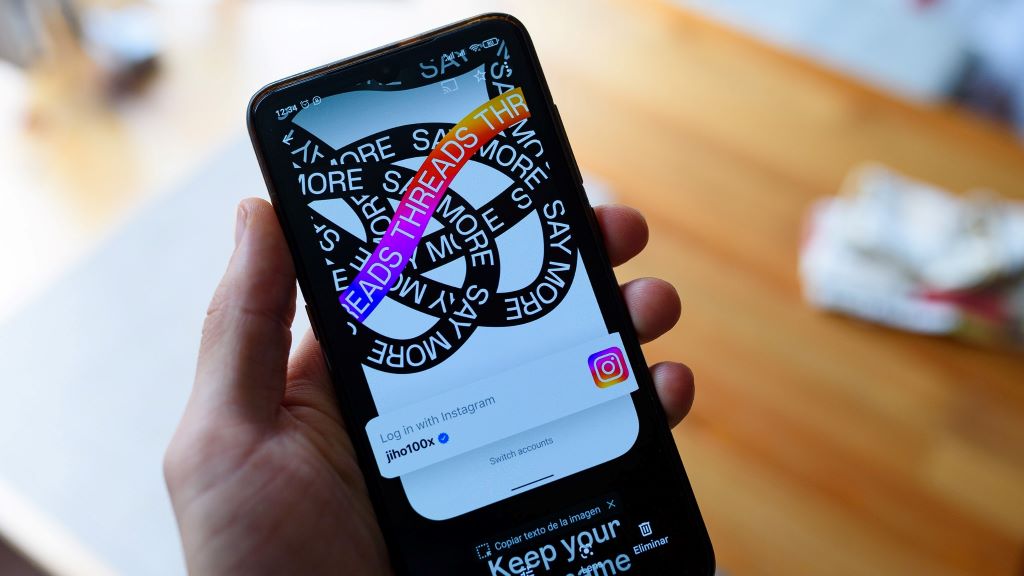
- Social Media Promotion: Paid small Instagram influencers ($20-$40) to share the app, targeting teens. This pushed the app to #127 in its category initially.
- Viral Appeal: Designed the app with shareable features, encouraging users to invite friends.
- Partnerships: Collaborated with a marketing firm for revenue-sharing, boosting visibility.
Results:
- By August, the app hit #1 in its category, driven by organic growth and word-of-mouth.
- Creative marketing turned a modest budget into massive reach.
LSI Keywords: app marketing strategies, social media for app promotion, viral app growth, influencer marketing.
Action Step: Research 3-5 micro-influencers in your niche on Instagram or TikTok. Draft a pitch offering free access to your app in exchange for a shoutout.
Overcoming Obstacles: Persistence Pays Off
The path to 1 million downloads wasn’t smooth. The teen faced technical glitches, server issues, and academic pressure. At one point, a disagreement with their server provider threatened to derail the project. Yet, their resilience kept the app on track.
Major Hurdles:
- Technical Challenges: Multiplayer features required advanced coding, solved through relentless debugging.
- Financial Constraints: Limited funds meant creative solutions, like bartering with marketers.
- School-Life Balance: Late nights coding led to failing grades, but strategic time management restored balance.
Mindset Matters:
- Embrace failure: Each bug fixed was a step closer to success.
- Stay curious: The teen’s passion for learning fueled problem-solving.
Secondary Keywords: overcoming coding challenges, app development hurdles, resilience in tech, teen entrepreneur.
Action Step: Reflect on a past failure. Write down 1-2 lessons learned and how they can apply to your current project.
Scaling to 1 Million Downloads: The Tipping Point
After hitting #1, the app’s growth snowballed. Strategic updates, like adding new features based on user feedback, kept users engaged. The teen also optimized the app store listing with compelling visuals and keywords, boosting discoverability.
Growth Tactics:
- App Store Optimization (ASO): Used relevant keywords in the app title and description to rank higher.
- User Retention: Added gamification elements, like rewards for daily use, to keep users coming back.
- Community Building: Engaged users on social media, responding to feedback and building loyalty.
Milestones:
- 20,000 downloads: Early validation from initial marketing efforts.
- 1 million downloads: Achieved through consistent updates and organic growth.
Lessons Learned: What You Can Apply
This teen’s journey offers timeless lessons for aspiring developers and entrepreneurs:
- Start small, dream big: A simple MVP can evolve into a global hit.
- Leverage free resources: Online tutorials and communities make coding accessible to all.
- Market creatively: Low-budget strategies like influencer partnerships can yield high returns.
- Persist through setbacks: Resilience turns obstacles into opportunities.
The Future: What’s Next for Young Coders?
Stories like this prove age is no barrier to tech success. With tools like AI, no-code platforms, and online learning, anyone can create an app today. The key is to start where you are, use what you have, and keep learning.
Trends to Watch:
- AI-Driven Apps: Tools like ChatGPT can assist with coding and ideation.
- No-Code Platforms: Bubble and Adalo let non-coders build apps quickly.
- Niche Communities: Apps targeting specific audiences (e.g., gamers, students) are on the rise.
Read More: From Keyboard Kings to Software Solutions: The Enduring Legacy of BlackBerry